

When you are battling an illness, getting the right medication quickly feels like the highest priority. However, taking the wrong type of antimicrobial drug can be ineffective and potentially harmful. One of the major distinctions in medicine is the difference between bacterial and viral infections—and the distinct medications used to treat them.
At Infectious Disease Consultants (IDC), our physicians serve as medical detectives. We excel at identifying specific pathogens and selecting specific therapies to resolve complex, persistent, or resistant infections.
In this article, you’ll gain an understanding of how antibiotics and antivirals work, why precise prescribing matters, and how infectious disease specialists determine the ideal treatment plan for your health.
Antibiotics vs. Antivirals: What Is the Difference?
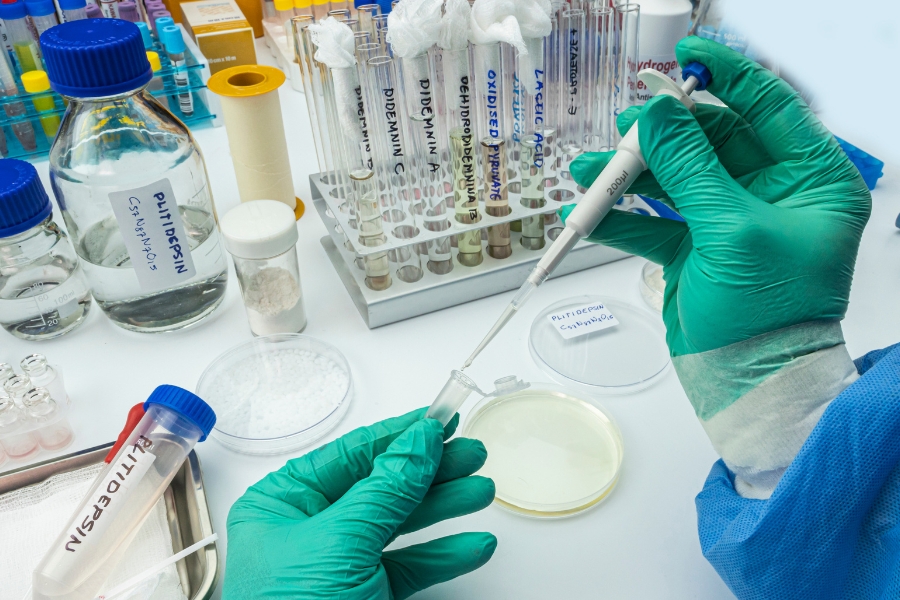
Bacteria and viruses are biologically distinct organisms. Bacteria are single-celled organisms capable of reproducing independently. Viruses are microscopic genetic codes wrapped in protein that require living host cells to multiply. Because these organisms operate differently, the medications designed to fight them must function through fundamentally different mechanisms.
How Antibiotics Work
Antibiotics kill bacteria or stop them from reproducing. They target bacterial structures that human cells lack, such as bacterial cell walls and specific protein-synthesizing machinery.
Common conditions treated with antibiotics include:
- Bacterial pneumonia
- Urinary tract infections (UTIs)
- Strep throat
- Methicillin-resistant Staphylococcus aureus (MRSA)
- Bone and joint infections (osteomyelitis)
How Antivirals Work
Antivirals do not directly kill viruses. Instead, they block particular steps in the viral replication cycle. By blocking a virus from attaching to, entering, or replicating inside human cells, antiviral medications lower the viral load, allowing your body’s immune system to clear the infection.
Common conditions treated with antivirals include:
- Influenza (the flu)
- COVID-19
- Hepatitis B and C
- Human Immunodeficiency Virus (HIV)
- Shingles and Herpes Simplex Virus
Antibiotics vs. Antivirals Comparison
| Feature | Antibiotics | Antivirals |
|---|---|---|
| Target Pathogen | Bacteria | Viruses |
| Primary Mechanism | Kills bacteria or stops bacterial growth | Blocks viral replication in host cells |
| Common Examples | Penicillin, Doxycycline, Ciprofloxacin | Oseltamivir (Tamiflu), Nirmatrelvir/Ritonavir (Paxlovid), Acyclovir |
| Effective Against Flu/Colds? | No | Yes (if specific to the virus and given early) |
Why Choosing the Right Antimicrobial Treatment Matters
Using the wrong medication leads to treatment failure, delayed healing, and broader public health challenges.
The Growing Threat of Drug Resistance

Taking an antibiotic for a viral illness, such as the common cold or bronchitis, will not make you feel better. Instead, it exposes the natural, healthy bacteria in your body to antimicrobial agents. Over time, remaining bacteria adapt and develop mechanisms to resist these medications.
According to the World Health Organization, antimicrobial resistance is one of the top global public health and development threats, making standard infections increasingly difficult or impossible to treat. Additionally, research published by the Centers for Disease Control and Prevention indicates that at least 28 percent of antibiotics prescribed in outpatient settings in the United States are clinically unnecessary.
When bacteria become resistant to standard first-line drugs, patients require complex, second- or third-tier treatments that may carry higher risks or demand intravenous administration.
Avoiding Unnecessary Side Effects
Every medication has the potential for side effects. Antibiotics disrupt the human gut microbiome, which can lead to gastrointestinal distress or severe secondary infections such as Clostridioides difficile (C. diff). Misusing these powerful drugs subjects patients to adverse reactions without providing therapeutic benefit.
How Infectious Disease Specialists Determine the Ideal Therapy
At Infectious Disease Consultants, our physicians apply advanced diagnostic techniques to precisely tailor treatments to each patient’s condition. Accurate pathogen identification is the basis of effective recovery.
Diagnostic Culture and Sensitivity Testing
Instead of depending solely on broad-spectrum empirical treatments, an infectious disease specialist orders targeted diagnostic testing. This often includes:
- Blood, tissue, or urine cultures: Growing the pathogen in a controlled laboratory setting to identify the exact organism.
- Antibiotic sensitivity testing: Exposing the cultured bacteria to various antimicrobial agents to determine which specific medication kills the organism most effectively.
- Polymerase Chain Reaction (PCR) molecular panels: Detecting viral or bacterial DNA/RNA rapidly for exact, early identification.
Patient-Specific Risk Factors
 Choosing the right drug entails assessing the patient’s individual physiology, medical history, and risk factors, including:
- Organ Function: Evaluating kidney and liver health to ensure the body can safely metabolize and clear the medication.
- Immune System Status: Immunocompromised patients—such as organ transplant recipients, individuals undergoing chemotherapy, or patients living with HIV—frequently need specialized dosage plans.
- Drug Interactions: Cross-referencing existing prescription medications to avoid dangerous drug-to-drug interactions.
Oral vs. Intravenous (IV) Infusion Delivery
For severe, deep-seated, or drug-resistant infections, standard oral pills may not achieve adequate drug concentrations in the affected tissue. In these situations, specialists utilize outpatient intravenous administration.
Through our specialized IV Infusion Center, patients can receive monitored intravenous antibiotic or antiviral therapy in a comfortable setting, bypassing prolonged, costly hospital stays.
Antimicrobial Stewardship: Protecting Community Health
Antimicrobial stewardship is a systematic approach to optimizing the use of antimicrobial drugs. The purpose is to ensure every patient receives:
- The correct drug for their specific pathogen.
- The exact dose required for effectiveness.
- The optimal duration of therapy to cure the infection without overexposure.
By practicing strict stewardship, the team at IDC Orlando preserves the effectiveness of existing antibiotics and antivirals for future generations while maximizing immediate patient treatment.
Frequently Asked Questions (FAQ)
Schedule Your Consultation Today
If you or a loved one is dealing with a complex, recurrent, or difficult-to-treat infection, expert medical evaluation is essential. For over 50 years, Infectious Disease Consultants has provided comprehensive care across Central Florida.
Take charge of your recovery today.



